




Part One in an ongoing series on nutrition and longevity
There’s convenient. And then there’s quietly problematic over time.
In her article, Roxanne Stone lays out a blunt argument: Dogs may survive on kibble but they’re not thriving on it.
And over time, that gap matters.
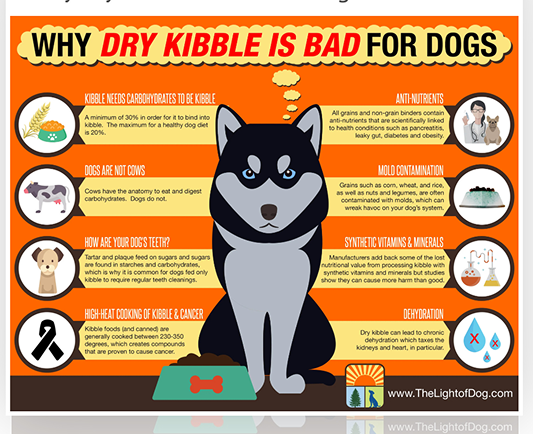
What Kibble Really Is
Kibble is a highly processed, shelf-stable product created through repeated high-heat cooking. That process denatures proteins, destroys enzymes and beneficial bacteria, and strips natural nutrients. What’s left is a product that must be synthetically fortified just to meet basic nutritional standards.
The Long-Term Health Problem
Stone connects kibble feeding to chronic degenerative disease, autoimmune conditions, allergies, kidney and liver disease, and rising cancer rates. These patterns mirror what we see in humans consuming ultra-processed diets.
The Toxin Issue
Kibble can introduce harmful compounds during processing, including aflatoxins, heterocyclic amines, acrylamides, and chemical residues. Even high-quality ingredients can be fundamentally altered by the cooking process.
The Carbohydrate Problem
Most kibble contains around 60% carbohydrates, far beyond what dogs are biologically designed to consume. This can contribute to inflammation, metabolic stress, and weight gain.
Better Options
Fresh food, frozen raw, freeze-dried, and air-dried diets offer more natural nutrition with less processing. Brands include The Farmer’s Dog, Ollie, A Pup Above, Instinct Raw, Stella & Chewy’s, and Primal Pet Foods.
Final Word from the Trail
Kibble isn’t an immediate crisis. It’s a slow one. Dogs don’t need perfect diets—but feeding ultra-processed food every day for years is a gamble.
Final Note from Stormy
“Look, I’ll eat just about anything you put in front of me. That’s not the point. The point is you’re the one making the call. I trust you to do better than convenient. Because I plan on sticking around for a long time.